June 9, 2026
Is There Anything I Should Avoid with Dentures?
Receiving dentures is a transformative milestone that restores your facial structure, speech clarity, and the ability to chew efficiently. However, adapting to a removable dental appliance requires a shift in your daily habits. Just like natural teeth, dentures are subject to structural wear and tear, but they are made from specialized acrylics and micro-ceramics that require distinct care. At Avalon Dental, we want to ensure you maximize the lifespan of your appliance. Knowing what foods, products, and habits to avoid is the single best way to keep your new smile comfortable and functional.
Avoid problematic and highly destructive foods
While modern dentures are durable, they do not possess the same structural anchoring as natural tooth roots or dental implants. Certain textures can displace the appliance, break the suction seal against your gums, or even fracture the acrylic base.
According to nutritional care guidelines from the Cleveland Clinic, you should strictly avoid or heavily limit the following food categories:
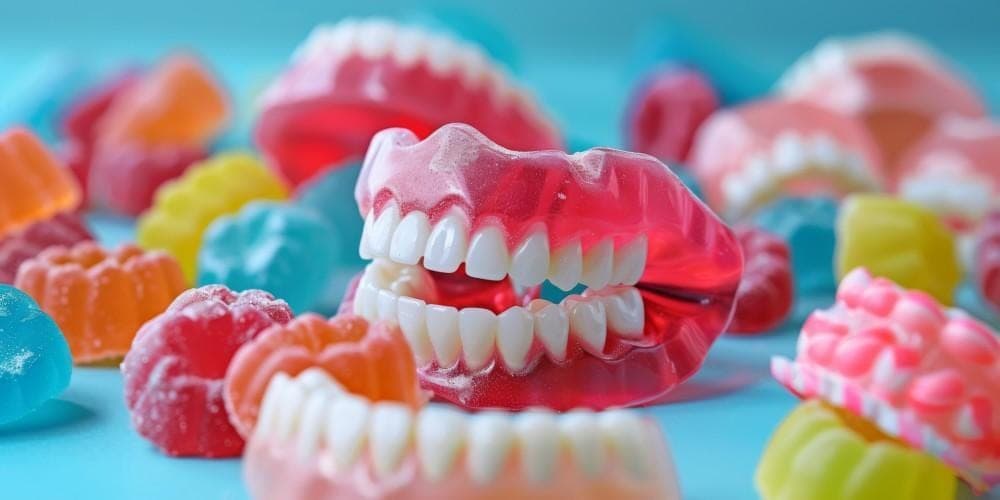
- Sticky and gummy items: Foods like caramel, taffy, and chewing gum can get trapped between the denture base and your gums, pulling the appliance loose and warping the material.
- Hard, unyielding textures: Nuts, popcorn kernels, ice cubes, and tough crusts can place uneven mechanical pressure on the prosthetic teeth, causing them to crack or snap off.
- Micro-particles and small seeds: Berries with small seeds or sesame-seeded buns can lodge beneath the denture, causing severe friction blister sores on your delicate gum tissue.
Avoid abrasive cleaners and bleaching agents
A common mistake among new denture wearers is treating their prosthetic appliances exactly like natural teeth. Regular toothpaste is formulated with microscopic abrasives designed to polish tough enamel. However, denture acrylic is significantly softer than enamel.
As highlighted by clinical studies shared on Healthline, brushing your appliance with standard toothpaste creates microscopic scratches across the surface. These invisible grooves act as breeding grounds for plaque-causing bacteria and food stains. Furthermore, you must never use boiling water or liquid bleach to sanitize your dentures. Boiling water permanently warps the acrylic shape, ruining the custom fit, while bleach degrades the pink pigment, making the base brittle and prone to shattering.
Avoid continuous wear and dry storage
Your gum tissue and underlying jawbone require rest. Wearing your dentures continuously blocks oxygen and blood flow to the soft tissues of your mouth, rapidly accelerating bone resorption and increasing your risk of developing oral candidiasis, a fungal yeast infection commonly known as denture stomatitis.
WebMD emphasizes that you must remove your dentures for at least six to eight hours every day, ideally while you sleep. When your dentures are out of your mouth, avoid leaving them exposed to the open air. Denture acrylic must remain hydrated to maintain its specific shape. If allowed to dry out, the material will warp, crack, and lose its precise contour. Always submerge your appliance in room-temperature water or a specialized dental soaking solution overnight. Keeping your smile healthy requires a proactive partnership with your provider. If your dentures feel loose or require a professional adjustment, we encourage you to contact Avalon Dental today to schedule an appointment.